芯科播客新一期主题讨论上线:
蓝牙位置服务(Bluetooth Locationing Service)。本次播客由
Silicon Labs渠道营销高级经理
Kyle Dando先生主持,并访问
Silicon Labs无线产品高级经理
Mikko Savolainen以帮助用户了解炙手可热的蓝牙位置服务的应用趋势及新的测向(
Direction Finding)技术设计考量,您可以收听完整播客并通过下方的摘要内容来学习物联网市场新知。
Kyle:Welcome everyone to Silicon Labs' Talking Tech podcast. I'm really happy that you joined us today for another episode, and today I’m joined by Mikko. Mikko is our segment manager and he focuses on wireless applications in the retail and commercial space. And today we're going to focus that conversation a little bit on some of the recent developments in the Bluetooth space. So Mikko, thank you for joining us today. 欢迎大家来到
Silicon Labs的
Talking Tech播客。很高兴您来收听本集内容,本次主讲人为
Mikko Savolainen。
Mikko是
Silicon Labs无线产品部门高级经理,他专注于零售和商业领域的无线应用,今天我们将重点讨论蓝牙领域的一些最新发展。
Mikko:Thanks Kyle. Fantastic to be over here and you know, happy to talk to you all about what's happening in there with location services.谢谢
Kyle。很高兴来到这里,并和大家谈谈关于最近定位服务的发展。
Kyle:What's new in that market? Where? What do you see when you're talking to customers?市场现在有什么新鲜事?当你与客户交谈时,你所看到他们关注的重点为何?
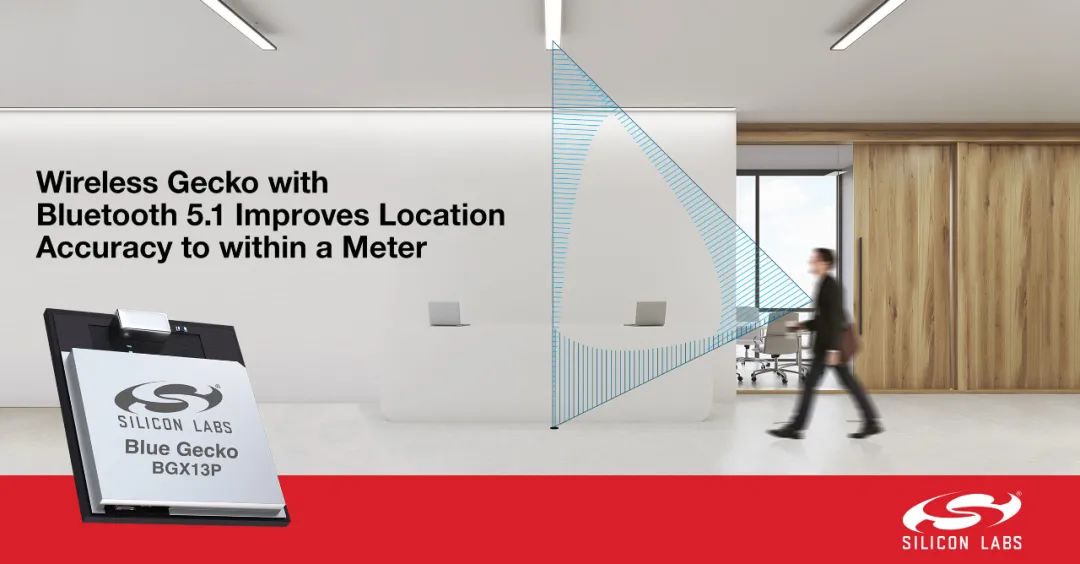
Mikko:Yeah, multiple things. So maybe start first with the technology. Over the last couple of years there hasn't been much public development. You know the most recent thing that came to the Bluetooth standard was this direction-finding technology, and it was released couple of years ago with the Bluetooth 5.1 standard. And what allows us to do is it allows us to get more accuracy into tracking application. With direction finding technology, we can actually detect... can which direction the Bluetooth signals are coming from down to a few degrees’ accuracy, and that gives us a lot of extra data to nail down where those transmitting devices are versus what the most people have been doing with ourside-based solutions which are or which are not that accurate, and we already showcased at technology that was pre-COVID season. I think it was CES 2020 or CES 2019.是的,有很多可以探讨,也许先从技术开始。在过去的几年里公共领域并没有太多相关发展。随着新的蓝牙标准制定了测向技术并与蓝牙
5.1版本规范一起发布后,我们可以做什么?它允许我们通过测向技术在跟踪应用中获得更高的精确度,实际检测蓝牙信号从哪个方向发出,精确度低至几度的范围内,这给了我们很多额外的数据来确定这些传输设备的位置,而不是以往多数人采用并不是那么准确的
side-based解决方案。我们已经在疫情扩散前公开演示过此一技术,我想是在
2020年或
2019年的消费电子展(
CES)中。
What else I've seen in the market? Adoption of Bluetooth technology and Bluetooth radios in a lot of commercial infrastructure. And what the commercial infrastructure is, what I mean with that is you know devices like the Wi-Fi access points pretty much all those have already integrated Bluetooth radios into their products and one of the main use cases that they use Bluetooth for a site either that they send out beacon packets so you can detect you know indoor wayfinding or turn by turn navigation so you can know where you're indoors, or alternatively, they can also search for Bluetooth stack. So do asset tracking solutions.至于我在市场上还看到了什么?其实在许多商业基础设施中已经采用蓝牙技术和蓝牙无线电。商业基础设施是什么,我指得是众所皆知像是
Wi-Fi接入点这样的设备,几乎所有设备商都已经将蓝牙功能集成到了产品中,其中一个主要的使用案例是运用蓝牙为站点发送信标数据包,这样用户就可以检测到室内寻路或转弯导航,从而知道你在室内或其他位置信息,或者他们也可以搜索蓝牙协议栈。资产跟踪解决方案也是如此。
And we're seeing a similar trend with commercial lighting as well, so lighting is everywhere in buildings and then over the recent years people have been adding.You know, wireless connectivity into lighting purely to cut cables between luminaires and controls, or between luminaires and sensors. And while they have that radio with there, they can actually also use it for location of their applications and you know some of our customers are sending on Bluetooth beacons from the luminaires, and again those can be used for location services, so you know those are somethings I've seen over the past two years.我们在商业照明方面也看到了类似的趋势,因此照明在建筑物中随处可见。近年来,人们在照明设备中增加了无线连接,纯粹是为了减少照明灯具和控制器之间的电缆用量,或者直接取代照明灯具和传感器之间的电缆。这些设备具有无线电功能,实际上他们也可以用它来定位应用。我们的一些客户正在用蓝牙信标从照明灯具发送信号,并用于定位服务。这是我在过去两年中看到的一些事情。
Kyle:Yeah, I've seen a lot of the updates that you provided in these stores. You know they're investing in all this infrastructure or buildings. And like you said, as long as they're going for the wireless lightbulb, they're trying to find more and more things they can put in there to improve efficiencies, so that's great that we're doing that, and anything else that you see?是的,我已经看到了很多你所提到的新事物。你知道他们正在投资相关的基础设施或建筑。正如你所说的,伴随著无线灯泡使用,用户会试图找到更多方式来提高效率,所以结合蓝牙技术是非常好的。你还有观察到别的事情吗?
Mikko:Well, funny that you mentioned I was going to say that, especially in the COVID times, you know, surprisingly, we've seen these solutions roll out quite a bit. You know people have seen COVID as an opportunity to digitalize things, and make them more modern, especially in the retail setting.嗯,你已经提到我要说部分,特别是在新冠疫情中令人惊讶的是,我们已经看到这些解决方案大量推出。人们已经把新冠病毒看作是一个推动数字化的机会,并且让产品更现代化,特别是在零售业。
Kyle:Yeah, so with the asset tracking is I know one of our strengths at Silicon Labs is power consumption. So, have you seen that actually helped these medical devices and other assets added asset tracking capabilities to their tags?是的,通过资产跟踪,我知道
Silicon Labs的优势之一是低功耗技术。那么,你认为这实际上对医疗设备以及将资产跟踪功能添加到标签中的设计带来助益吗?
Mikko:Yeah, absolutely, when we look at these applications...when you want to track things scale, it's not necessarily cheap. You know if you create these tile-like Bluetooth tags and started...that's amended things, you know they cost multiple dollars, so it's you know compared to things like RFID, it's not as cheap and one of the things everybody is super interesting: what's the battery life time for tag. And they want to maximize it because you know that comes down to the cost of running the solution. If you need to go and replace batteries every year, we actually need to either replace the tags or send somebody to service them, and that's expensive. And the longer we can holdthe battery life, we can get along with the cost, and then more likely it's going to be to use this technology for tracking whatever things you need to track.是的,当然,我们来谈一下这些应用。当你想追踪物品时,它不一定是便宜的。如果你创建了类似蓝牙标签的磁贴并开始贴附在设备上,它们的成本很高,所以和
RFID这样的东西相比,它并不便宜。其中一个大家都非常感兴趣的事情是,标签的电池寿命。大家都想要最大化电池使用时间,因为这有助于降低到运行解决方案的成本。如果每年都要更换电池,实际上供应商需要去更换标签或者人工维修,这是很昂贵的。如果电池寿命越长,设备使用成本就更容易让人接受,然后就越有可能使用这项技术来跟踪任何物品。
Currently, we are in a point where devices like our latest Bluetooth chip, the BG22 can actually get 5 to 10 years of life time out of the simple coin cell batteries. And that's really something that basically reduces the cost of running a solution and you know makes it more likely to be used.目前来说,我们最新的蓝牙芯片
BG22实际上可以让设备仅用钮扣电池维持
5到
10年的使用寿命,这确实可以从根本上降低运行解决方案的成本,并且使其更易于使用。
Kyle:So, jumping back into more the Bluetooth side of things again. What has the Bluetooth SIG done? Have they made any changes? Constant improvements specific to location services or asset tracking?回到蓝牙方面,蓝牙技术联盟(
Bluetooth SIG)做了什么?他们在规范上有什么改变吗?针对定位服务或资产跟踪的持续改进为何?
Mikko:Publicly, the direction finding is the most recent thing they've announced, but the development doesn't stop there, so there're a lot of activities to bring out new versions of Bluetooth standard, adding multiple features, let's say for different use cases, there's work going on for location services as well. As the standard isn't out yet, I can't talk about the details, but let's say that they're looking at adding wireless range measurement or ranging technology into the next major version of the Bluetooth standard, so you know there's more enhancements coming to enable either new use cases, new applications, or improve the current ones.蓝牙测向是他们最近宣布的进展,但技术发展并没有就此停止,因此有很多行动在于提出新版本的蓝牙标准,添加更多功能特性,比如说针对不同的用例,定位服务也在进行中。由于该标准尚未出台,我无法谈论细节,但假设他们正在考虑添加无线功能,范围测量或测距技术将成为蓝牙标准的下一个主要版本,所以将有更多的增强功能来支持新的用例、新的应用程序或改进当前的应用。
Kyle:Alright, you're extremely involved in the Bluetooth SIG, correct? You and several other members of Silicon Labs are engaged actively participating in improvements and really making sure that Silicon Labs understands what the SIG is doing as they're developing those new improvements.好吧,看来你非常关注蓝牙
SIG,你和
Silicon Labs的其他几个成员积极参与标准改进,并确保
Silicon Labs在开发这些新版本时了解蓝牙
SIG正在做什么。
Mikko:Yeah, absolutely. So Kyle, we have various levels of engagement at the Bluetooth SIG. We are very active in the Bluetooth mesh standardization for lighting and other types of applications. We are of course involved with the new development of the next major versions of Bluetooth standard. That's first of all, key to us, so we understand what's going on, so we can add the new features into our road map products or at new software features and also educate our customers on what's coming next and then take the feedback from our customers back to the Bluetooth SIG and you know this is what the market wants.没错,我们在蓝牙
SIG上有不同程度的参与。我们在照明和其他类型应用的蓝牙网状网络(
Bluetooth mesh)标准化方面非常活跃。我们当然参与了蓝牙标准下一个主要版本的研发。这是我们的首要策略,因此我们密切关注标准发展,以便我们可以将新功能添加到我们的产品路线图中,或在新的软件功能中,还可以教育客户下一步应该关注什么,然后将市场客户的反馈带回蓝牙
SIG。
Kyle:I guess the next question for me to ask you is, so what has Silicon Labs developed recently? I mean, what are some of the improvements that you've seen? Our company mostly with our software, but a lot of it has to do with the new SoC we rolled out. What have we released that's really helped us provide a better solution for Bluetooth direction finding and tracking products?我想我要问你的下一个问题是,
Silicon Labs最近开发了什么解决方案?你看到了哪些改进?我们的软件很多都和新推出的
SoC有关,哪些产品可以为蓝牙测向和跟踪产品提供更好的解决方案?
Mikko:I think there’s multiple developments happening at Silicon Labs. One of the biggest ones for this application was the BG22 Bluetooth SoC which we announced at CES last year and started shipping it late first quarter last year. What we really did with that device we optimized it for lowest possible power consumption, and that's really to enable that 5 to 10 years battery life for those tags and other applications that need to low power functionality.Silicon Labs正在朝向多方面发展。我们去年在
CES上发布的
BG22蓝牙
SoC是该应用中最关键的一款产品,并在去年第一季度末就开始发售。我们持续针对该设备进行优化,以尽可能降低功耗,对于那些需要低功耗功能的标签和其他应用程序来说,
BG22真的可以帮助其电池寿命达到
5到
10年。
Besides that, that was also the first device for us that supported direction finding technology, so you can use the BG22 as a simple direction-finding tag. But you can also use it on the infrastructure side to discover tags, get tangled, measurement out so that was another other major feature for these applicationson the BG22.除此之外,这也是我们第一款支持测向技术的设备,你可以使用
BG22作为简单的测向标签;也可以在基础设施端使用它来发现标记、串连和测量,这是基于
BG22应用程序的主要功能。
We've developed already multiple versions of the arrays, we've listened to our customer feedback and tried to improve and reduce the size of the array and minimize the cost. And you know that work still continues but we've done a lot over there, and then we've done a lot of work on the software side for the infrastructure.我们已经开发了多个版本的天线阵列,并听取了客户的反馈以尝试改进和减小阵列的大小,并将成本降至最低。这方面的工作仍在继续,即便我们已经完成了很多调整,同时我们也在基础架构的软件方面做了很多工作。
So, one of the hardest problems with the direction finding technology is to actually compute from which direction the signal comes from. So basically, compute the angle and elevation information and also to filter out the so-called multipath signals. That's one of the hardest problems with these technologies. You know most times we actually see a reflection of the signal and that means that the direction where it's coming from is going to be incorrect and we need to be able to detect that and filter it out. And you know, just provide the information off the line-of-sight signals to our customers. So, a lot of work has been done for that piece of software because that's something most of our customers are not motivated to develop, but we be provided as a service for them, so that should simplify their lives quite a bit.测向技术最困难的问题之一是实际计算信号来自哪个方向。基本上就是计算角度和高度信息,并过滤掉所谓的多径信号。这是这些技术最难解决的问题之一。大多数时候,我们实际上看到了信号的反射,这意味着它来自的方向是不正确的,我们需要能够检测到并过滤掉它。然后只需向我们的客户提供视线以外的信息。因此,我们已经为软件做了大量的工作,大多数客户都有开发软件的动机,但我们为他们提供服务,因此这将大大简化他们的生活。
Kyle:Yeah, for sure. Well, let's end with a special topic. I mean what do you see when you go tocustomers? What's is the number one request when you’re seeing customer, I mean, what are they asking for?好吧,最后来讨论一个特别的主题。当你去拜访客户时看到了什么?客户的首要需求是什么?
Mikko:Well, when talking about these types of applications, a lot of customers ask for accuracy. They wouldn't be talking to us about this solution if that's not what they need. Typically, when we start that discussion, they typically need 1-meter type of accuracy, and that seems to be, if you can get to that level of accuracy, then it's worth it for them to invest more into technology like this compared to a simple signal strength-based solution.当谈到这些类型的应用时,很多客户都要求准确度。如果精确度不是他们需要的,就不会和我们谈论这个解决方案。通常,当我们开始讨论时,他们会要求达到
1米的精度,这意味着,如果你能达到那种精度水平,那么与简单的基于信号强度的解决方案相比,他们会认为在这样的技术上投入更多是值得的。
Kyle:Alright, well you've taught us a lot, but I know the last few podcasts I've talked to our other presenters about Works With that's coming up in a couple months and you have been extremely busy putting together some courses specific to the topic we're talking about here. Can you explain maybe just a couple of the classes that you know that we're providing and what might offer our listeners?好吧,你教了我们很多。我和其他主持人的播客中谈论到即将举办的
Works With开发者大会,我知道你一直在忙着为相关主题准备课程。你能简单说明我们正在准备的几个课程,以及它能为我们的听众提供什么助益吗?
Mikko:Yeah, absolutely. So, I think we have a total of 6 courses that Works With which you know somehow ties to indoor location services or ask tracking solutions.是的,当然。我认为我们总共有
6门关于蓝牙位置服务的课程,你知道
Works With的规划在某种程度上也针对了室内定位服务或询问跟踪解决方案的客户。
Just to highlight a few... So I'm actually presenting them myself. It's really, you know, high-level session talking about what kind of applications benefit from indoor location as a tracking in type solutions, what we see on the market where this technology is getting adopted and what are the benefits. There are a lot more technical courses as well, so I know my colleagues will be explaining and actually showcasing our solution.我想强调几个部分。我实际上是亲自主讲这些课程。这会是对于蓝牙位置服务的高层次会议,讨论哪些应用可以从基于室内定位来跟踪物品的解决方案中受益,以及我们在市场上看到这项技术正如何被采用,它的好处是什么等等。还有很多技术课程会由我的同事们来解释并实际展示我们的解决方案。
So how our Bluetooth direction finding solution works? What are the hardware components and what are the software components needed to set it up, and I think they're trying to do a live demo as well but not a massive scale, but tracking a dozen of assets. So, then we also have partners talking, so it's not all Silicon Labs for this technology especially we have one of our partners from California called IOC. And they are capable of customizing Bluetooth direction-finding solutions so whether it's software development or customerizing-array development or solution development, they'll be giving an overview what they can do and what their capabilities are also. Those are the types of courses we do at Works With.那么我们的蓝牙测向解决方案是如何工作的呢?比如硬件组件和软件组件如何设置,我想其他主讲者正在尝试做一个现场演示,当然不是大规模的,只是跟踪十几个资产的一个演示。我们也与合作伙伴共同讨论,所以这活动不全是
Silicon Labs的演示,我们可望邀请来自加利福尼亚州的合作伙伴-
IOC。他们定制蓝牙测向解决方案,无论是软件开发、定制阵列开发还是基于解决方案开发等形式。到时候该公司将概述其可以做到什么,以及他们的技术能力。这些就是我们预计在
Works With带来的相关课程。
Kyle:Well, Mikko thanks again for joining us for the podcast. It's always great to have our subject matter experts join help the listeners understand a little bit more about the solutions Silicon Labs offers. Thank you for joining us today.好的,再次感谢
Mikko加入本集播客。邀请特定主题领域的专家来加入对谈总是很有帮助的,可以让听众更了解
Silicon Labs提供的解决方案。谢谢大家收听今天的播客。
新闻来源:SiliconLabs,文中所述为作者独立观点,不代表icspec立场。更多精彩资讯请下载icspec App。如对本稿件有异议,请联系微信客服specltkj。